Wynn Sports Odds Decoded Unlock Winning Edge
Auto-generated post_excerpt

Hotel View Point : Top of Nagarkot
Embrace the serenity of picturesque landscapes and mountain views from your window.


For many casual fans, the sportsbook section of an online casino feels like a foreign language written in hieroglyphics. Numbers scattered across a screen, minus signs next to favorites, and a dizzying array of betting options can scare off even the most dedicated football or basketball enthusiast. But here at wynscasinogb.com, we believe that knowledge is the ultimate currency. Whether you are a seasoned pro or just dipping your toes into the wagering waters, understanding the mechanics behind the numbers is your first step toward making sharper, more confident decisions.
It is not just about picking a winner anymore. The modern betting landscape has evolved into a complex ecosystem where live markets, prop bets, and player-specific lines offer countless avenues for exploration. The trick lies in deciphering what the odds actually tell you, not just about the likelihood of an outcome, but about the value you are getting for your stake. Let’s peel back the layers of the sportsbook and look at the machinery that powers the action.
Before you can outsmart the book, you must first learn to read the board. In most international books, you will encounter a mix of formats, but the underlying logic remains the same. The most common style you will see in the UK and European markets is the decimal format. Here, a number like 2.50 means that for every unit you stake, you receive 2.50 units back should your selection win (including your original stake). It is simple arithmetic that reveals your total return at a glance.
However, you will also frequently stumble upon American odds, particularly in the major leagues. A figure like -150 indicates how much you need to wager to win 100 units, signaling a likely favorite. Conversely, a +200 tells you the profit you would make on a 100-unit stake, usually attached to the underdog. Grasping this distinction allows you to quickly compare lines across different platforms and understand when a market is moving in your favor or against it.
Here is where the casual punter often gets lost. The odds are not just a reflection of chance; they are a price tag that includes a built-in profit margin for the house, known as the “vig” or overround. When you convert odds into implied probability, you will notice that the percentages across all outcomes in a market rarely add up to 100%. They usually total around 105% to 110%. That extra percentage is the casino’s edge, the price of admission for the privilege of betting.
For the savvy bettor, calculating the implied probability is a non-negotiable habit. It tells you whether the price on offer presents any real value. If you believe a team has a 60% chance of winning, but the odds suggest only a 45% probability, you have found a wager worth considering. Value betting is not about guessing the winner; it is about identifying when the bookmaker’s price is too high, offering you a mathematical advantage that can grow over time.
Sports betting has exploded beyond simple win-or-lose wagers. The modern sportsbook is a buffet of options, each with its own strategic angle. Understanding the terrain is crucial before you commit your bankroll. Here is a quick snapshot of the most popular avenues you will find available:
Each of these options demands a different analytical approach. While a point spread bet might rely on defensive rankings and matchup history, a prop bet could hinge on a single player’s form and recent injury status. Diversifying your portfolio across these bet types can help you manage risk and keep the experience engaging throughout the week.
Not all betting opportunities are created equal. When you walk into the sportsbook, you are essentially choosing between different financial instruments. To truly unlock your edge, you must understand the trade-offs inherent in each market. The table below breaks down the primary differences to help you decide where to allocate your focus:
| Market Type | Core Focus | Relative Volatility | Strategic Requirement |
|---|---|---|---|
| Moneyline | Winner selection | Low to Medium | Simple, but low value |
| Point Spread | Margin of victory | Medium | Strong matchup knowledge |
| Prop Bets | Individual performances | High | Requires deep player analytics |
| Futures | Season-long outcomes | Very High | Long-term patience and speculation |
As the table illustrates, the complexity of the bet often correlates with the potential variance in outcomes. While a futures wager can offer massive payouts, it subjects your money to a long period of uncertainty and shifting narratives. On the other hand, a simple moneyline bet is easy to place but often offers the thinnest margins, as the bookmaker tightens the price on obvious favorites.
So how do you translate this knowledge into a tangible advantage? It starts with discipline. The best bettors do not chase losses, nor do they get reckless after a big win. They treat their bankroll like a business capital, allocating a specific percentage to each wager based on their conviction. A common rule of thumb is to stake no more than a few percent of your total bankroll on any single event, ensuring that a cold streak does not wipe you out.
Furthermore, you must always shop around for the best line. The odds on the same game can vary slightly from one book to another, and those fractions of a percent add up over hundreds of bets. Patience is your greatest ally; refusing to bet on games where you have no analytical edge is a victory in itself. Additionally, capitalizing on live betting can be profitable if you watch the game closely. Momentum shifts are often priced slower than they occur, creating windows of opportunity for those paying attention.
Even the most confident bettors have questions about the finer details of the process. Here are some of the most common queries we hear, answered clearly to clear up any lingering confusion.
A negative number indicates the favorite. It shows how much you must stake to win a baseline profit (usually 100 units). For example, odds of -150 mean you need to wager 150 units to see a 100 unit profit. The higher the negative number, the stronger the implied probability.
Yes, but it is incredibly difficult. Professional bettors rely on advanced modeling, data analysis, and strict bankroll management to secure a long-term edge. It is not about winning every bet, but about winning a majority of bets over a large sample size where the prices are on your side.
Neither is inherently “better.” Favorites win more often, but offer low value for your stake. Underdogs offer high returns, but lose frequently. The optimal choice depends entirely on value—finding instances where the odds are longer than the actual probability of the event occurring.
Live betting allows you to place wagers as the event unfolds. The odds are updated in real-time based on the game state. This offers new opportunities, but also carries higher risk, as the bookmaker reacts faster to scoring changes, and you have less time to analyze your options.
Discipline. Without a staking plan and the willpower to stick to it, even the best analytical skills will fail. Knowing when *not* to bet is often more valuable than knowing when to bet.
Armed with this insiders’ view of the sportsbook, you are no longer just a number in the crowd. You are a participant who understands the mechanics of the game you are playing. The path to profitability is paved with research, patience, and a clear understanding of the mathematics at play. So step into the arena, apply these principles, and let your newly decoded knowledge guide your next move.

Nagarkot is also the perfect destination for practicing Yoga and meditation. The calm setting, panoramic vistas, lush greenery in the surroundings, and fresh air are unspoiled setups for yoga and meditation. For rejuvenation, indulge in yoga and meditation activities.

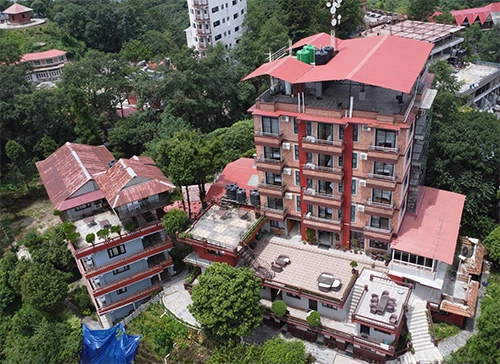
Nagarkot is the perfect closest destination from the capital for relaxation and to spend quality time with family or loved ones. Just a few kilometers away from Kathmandu, Nagarkot is an ideal destination to simply sit, relax, and enjoy amidst the peaceful ambiance. Spend time adoring mountain vistas, and surroundings.

The vicinity of Nagarkot is abundant with greenery and an ideal habitat for diverse flora and fauna. The diverse bird species such as raptors and migratory birds are some prime attractions here. Bird-watching in this serene environment and identifying, and observing can be a fun activity.
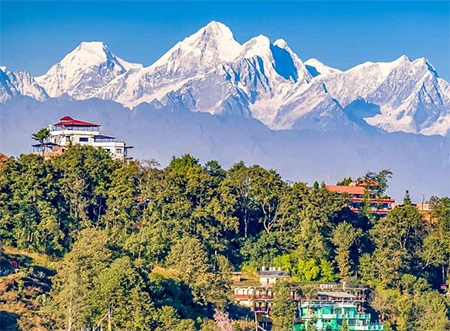
The natural surroundings in the Nagarkot look dreamlike. The scenic landscapes, mountain vistas, attractive villages, terraced fields, sunrise views, local culture, and ancient cultural heritages are the best visuals for any photography lover. Capture the best sightings and set them for the best memories.
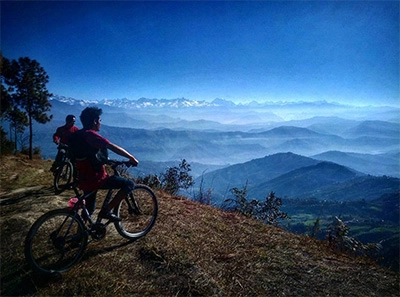
Mountain Biking is one of the adventurous sports which can be explored on the Nagarkot trails. Adoring the beautiful landscapes, and picturesque views, mountain biking lovers can go for this exciting adventure on the popular ‘Loop Route’. Rent the bikes for this mountain biking adventure.
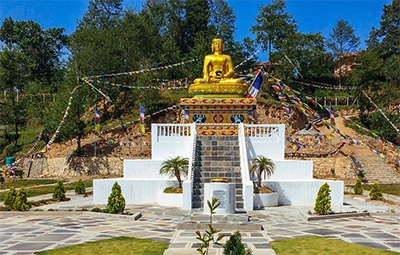
Sightseeing to nearby peaceful but beautiful Buddha Peace Park by an hour’s walk is a pleasant experience. The Grand Golden Buddha statue that overlooks the beautiful valley is not to be missed. An entry fee is required to get here. Planting a sapling in the memory of your loved ones is one of the best […]

Sunrise view is the best attraction of the Nagarkot. The sunrise view over stunning Himalayan ranges from the Nagarkot View Tower is captivating. The panoramic Himalayan views including the world’s highest Mt. Everest on a clear day are a treat to watch. We assure you the sunrise viewing is sure to enchant you and will […]

Nagarkot is far from the hustle and bustle of the city. The tranquil environment with scenic landscapes is a perfect getaway. The village tours in Nagarkot are one of the best ways to immerse yourself in the culture, tradition, and lifestyle of local ethnicities. The naturalness of the village is the prime highlight.
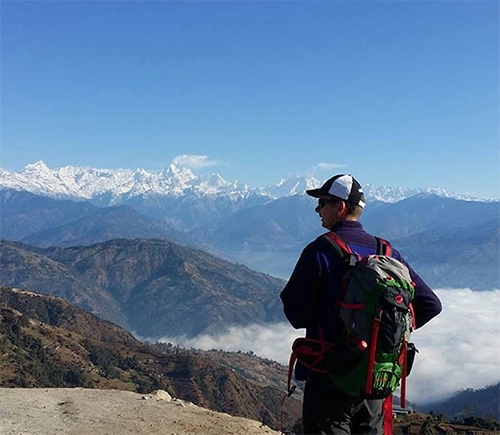
Nagarkot hiking trails also popular as the Panoramic Trail encompasses the Nagarkot Nature Trail. Nagarkot-Changu Narayan Trek, Nagarkot-Sankhu Trek, Nagarkot-Namo Buddha, etc. are some of the famous hiking destinations. Walk through the trails of lush green forest, and terraced fields, admiring the natural beauty of the environment in a peaceful setting. A guide is optional […]

Nestled 32 kilometers east of Kathmandu, Nagarkot is a picturesque hill station, offering awe-inspiring aerial views of Nepal’s major Himalayan peaks, including the iconic Mt. Everest. Situated at 2175 m above sea level, this enchanting destination captivates visitors with its pristine beauty and panoramic vistas of the Himalayas ...
Read More
