Developers use the cloud-native approach to reduce development time and achieve better quality applications. Serverless computing is a cloud-native model where the cloud provider fully manages the underlying server infrastructure. Developers and operation engineers use DevOps tools to automate cloud-native development. Small, frequent changes make development more efficient because you can identify and troubleshoot issues […]
Developers use the cloud-native approach to reduce development time and achieve better quality applications. Serverless computing is a cloud-native model where the cloud provider fully manages the underlying server infrastructure. Developers and operation engineers use DevOps tools to automate cloud-native development. Small, frequent changes make development more efficient because you can identify and troubleshoot issues faster. This means that software developers can deploy cloud-native applications on premises, on cloud infrastructure, or on hybrid clouds.
The fastest path is a managed deployment platform that handles containers, scaling, and CI/CD automatically.
Building cloud-native from the start is easier than migrating a monolith later.
By using the cloud-native approach, software developers break the functionalities into smaller microservices.
And deploying a new feature to the frontend does not require redeploying the entire application.
By building and deploying applications in the cloud, developers are assured of the consistency and reliability of the operating environment.
Everybody is invited to suggest changes, additions, and improvements to the Cloud Native Reference Architecture site.
This site is opinionated about what “cloud native” means, but not about what technologies you use to deliver that vision. Cloud-native platforms also make it easier to implement legal requirements, ensuring that your apps comply with all applicable regulations. The apps’ use of smaller, independently secured services further enhances the overall security of your data. “Secure by design” refers to the fact that security precautions are taken when an application is being developed, and this https://www.ournhs.info/finding-similarities-between-and-life-5/ is true of cloud-native systems. A flawless connection between apps and a positive user experience are guaranteed by end-to-end, cloud-specific development. Because of this, the app is more resilient and incidents are easier to isolate and less likely to have a detrimental effect on the app as a whole.
Cloud native is the software approach of building, deploying, and managing modern applications in cloud computing environments. A – Here are some risks and their solutions while adopting cloud-native model. Once cloud-native adoption is in motion, shift focus to performance, cost control, and cross-team efficiency. This improves system visibility while minimizing risk. Before scaling, implement centralized logging, tracing, metrics collection, and compliance checks. Seamless cloud migration is the foundation of a successful cloud-native journey—explore our detailed blog on Cloud Migration Strategy to ensure a smooth and efficient transition.
Core Cloud Native Architecture Principles
Developers use the https://cognixpulse.com/articles/immunohistochemical-staining-techniques-insights/ service mesh to introduce additional functions without writing new code in the application. API tells you what data the microservice wants and what results it can give you, instead of specifying the steps to achieve the outcome. Application Programming Interface (API) is a method that two or more software programs use to exchange information.
Continuous integration (CI)
Cloud-native development is an approach to building apps that are designed from the start to run on cloud infrastructure. A cloud-native app handles all of that automatically, because the architecture was designed for it. It was originally built to run on a single machine, and now it runs on a virtual machine in AWS or DigitalOcean instead of a physical server in a data centre. Continuous integration and continuous deployment (CI/CD) is the practice of automating the process of testing and deploying code every time a developer pushes a change. In this post we set out five principles of cloud-native architecture that will help to ensure your designs take full advantage of the cloud while avoiding the pitfalls of shoe-horning old approaches into a new platform. Cloud native involves cloud technologies like microservices, container orchestrators, and auto scaling.
Observability and analysis tools monitor, evaluate, and improve the system health of cloud applications.
Build security in from the start, not as an afterthought.
Read the full guide on what Kuberns does to understand what gets handled for you.
Continuous integration (CI) is a software practice in which developers integrate changes into a shared code base frequently and without errors.
Finally, students will focus on design decisions and the implementation of different forms of message passing in development and production systems.
How to Build Cloud-Native Applications Without a DevOps Team
In other words, software developers can deploy cloud-native apps on-site, on cloud infrastructure, or on https://babyandmomtimes.com/baby-care-for-first-time-parents/14-best-apps-for-brand-new-moms/ hybrid clouds. In this manner, the application keeps running even if one microservice stops working. The “waterfall” concept, supported by monolithic architecture, and sequential software development were the mainstays of the conventional software development environment.
Nagarkot is also the perfect destination for practicing Yoga and meditation. The calm setting, panoramic vistas, lush greenery in the surroundings, and fresh air are unspoiled setups for yoga and meditation. For rejuvenation, indulge in yoga and meditation activities.
Nagarkot is the perfect closest destination from the capital for relaxation and to spend quality time with family or loved ones. Just a few kilometers away from Kathmandu, Nagarkot is an ideal destination to simply sit, relax, and enjoy amidst the peaceful ambiance. Spend time adoring mountain vistas, and surroundings.
The vicinity of Nagarkot is abundant with greenery and an ideal habitat for diverse flora and fauna. The diverse bird species such as raptors and migratory birds are some prime attractions here. Bird-watching in this serene environment and identifying, and observing can be a fun activity.
The natural surroundings in the Nagarkot look dreamlike. The scenic landscapes, mountain vistas, attractive villages, terraced fields, sunrise views, local culture, and ancient cultural heritages are the best visuals for any photography lover. Capture the best sightings and set them for the best memories.
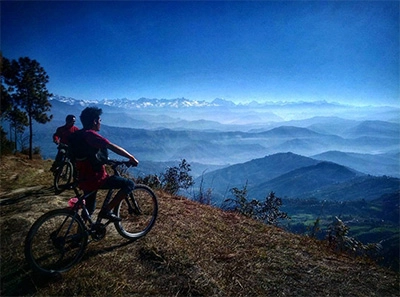
Mountain Biking is one of the adventurous sports which can be explored on the Nagarkot trails. Adoring the beautiful landscapes, and picturesque views, mountain biking lovers can go for this exciting adventure on the popular ‘Loop Route’. Rent the bikes for this mountain biking adventure.
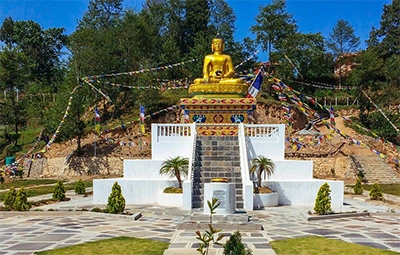
Sightseeing to nearby peaceful but beautiful Buddha Peace Park by an hour’s walk is a pleasant experience. The Grand Golden Buddha statue that overlooks the beautiful valley is not to be missed. An entry fee is required to get here. Planting a sapling in the memory of your loved ones is one of the best […]
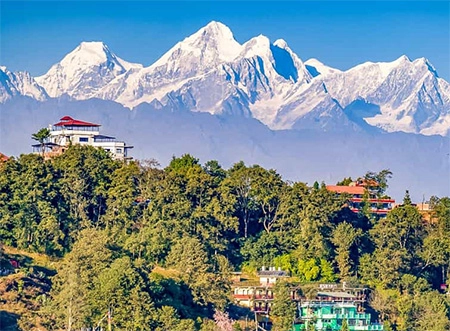
Sunrise view is the best attraction of the Nagarkot. The sunrise view over stunning Himalayan ranges from the Nagarkot View Tower is captivating. The panoramic Himalayan views including the world’s highest Mt. Everest on a clear day are a treat to watch. We assure you the sunrise viewing is sure to enchant you and will […]
Nagarkot is far from the hustle and bustle of the city. The tranquil environment with scenic landscapes is a perfect getaway. The village tours in Nagarkot are one of the best ways to immerse yourself in the culture, tradition, and lifestyle of local ethnicities. The naturalness of the village is the prime highlight.
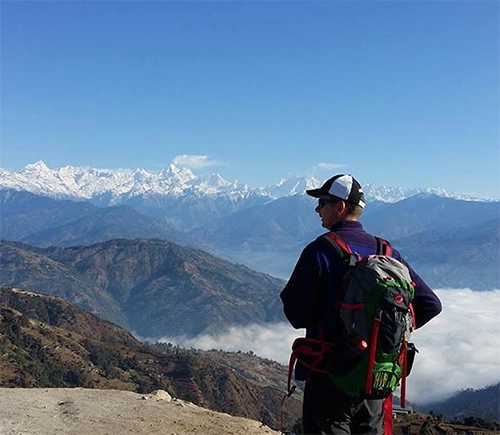
Nagarkot hiking trails also popular as the Panoramic Trail encompasses the Nagarkot Nature Trail. Nagarkot-Changu Narayan Trek, Nagarkot-Sankhu Trek, Nagarkot-Namo Buddha, etc. are some of the famous hiking destinations. Walk through the trails of lush green forest, and terraced fields, admiring the natural beauty of the environment in a peaceful setting. A guide is optional […]
About Nagarkot
Nestled 32 kilometers east of Kathmandu, Nagarkot is a picturesque hill station, offering awe-inspiring aerial views of Nepal’s major Himalayan peaks, including the iconic Mt. Everest. Situated at 2175 m above sea level, this enchanting destination captivates visitors with its pristine beauty and panoramic vistas of the Himalayas ...