Polestar Deposit Crafting Luxury on a Frozen Frontier
Auto-generated post_excerpt

Hotel View Point : Top of Nagarkot
Embrace the serenity of picturesque landscapes and mountain views from your window.


In the remote, windswept reaches of the northern territories, where the permafrost stretches endlessly beneath a silver sky, a remarkable transformation is quietly taking place. What was once a desolate outpost for scientists and hardy explorers is now becoming an unlikely beacon of opulence. At the heart of this shift is the Polestar deposit, a geological marvel that has drawn attention from investors, gemologists, and luxury designers alike. For those intrigued by this emerging phenomenon, a visit to polestar casino us offers a glimpse into how the region’s newfound wealth is being celebrated in modern entertainment.
The story begins deep beneath the ice. Explorers first noticed unusual mineral formations during a routine geological survey, but it took years of core sampling and advanced imaging to reveal the true extent of what lay below. The Polestar deposit is not a single vein of ore but a complex matrix of rare earth elements, crystalline structures, and metals that seem to form under extreme pressure and cold. Geologists describe it as a geochemical anomaly, a place where nature experimented with conditions rarely found elsewhere on Earth.
What makes this deposit so extraordinary is the purity of the materials. Unlike most mining sites, where extraction requires intensive separation processes, the Polestar deposit yields substances that are nearly ready for immediate use. Gem-quality sapphires, flawless quartz, and traces of platinum-group metals are found interwoven with a unique composite that designers have dubbed “polarite.” This material shimmers with an internal light, changing hue depending on the angle of view.
Extracting wealth from this frozen environment is no small feat. Operations are limited to a brief summer window, and all work is conducted with a strict environmental protocol. The companies involved have pledged to keep the surrounding ecosystem intact, using low-impact drills and renewable energy sources to power their camps. Workers live in self-contained modules that leave no permanent footprint on the tundra.
The ethical approach extends beyond environmentalism. Local indigenous communities have been consulted from the start, and a portion of the revenue is directed toward cultural preservation and education. This model of responsible luxury sourcing has become a talking point in the industry, challenging the notion that high-end materials must come at a high human or ecological cost. The result is a deposit that not only produces beautiful things but does so with a clear conscience.
Once extracted, the raw materials from the Polestar deposit travel to ateliers around the world. Master craftspeople work with the polarite and gemstones to create limited-edition pieces that are as much art as they are accessories. Watchmakers have been particularly fascinated by the material, using it for dials and bezels that seem to capture the northern lights. Jewelry designers set the sapphires and quartz in platinum settings, creating collections that evoke the stark beauty of the Arctic.
The appeal of these creations lies in their story. Every piece carries the narrative of its origin — the harsh winds, the patient ice, the rare alchemy of pressure and time. Buyers are not just purchasing an object; they are acquiring a fragment of a vanishing frontier. This narrative has driven demand among collectors who value provenance as much as aesthetics.
To appreciate the uniqueness of the Polestar deposit, it helps to compare it with other famous sources of luxury materials. The table below highlights key differences:
| Characteristic | Polestar Deposit | Traditional Mines |
|---|---|---|
| Environmental impact | Low — temporary infrastructure, renewable energy | Often high — deforestation, water pollution |
| Community involvement | Extensive — revenue sharing, consultation | Variable — sometimes minimal |
| Material uniqueness | Extremely rare — polarite composite | Standard — diamonds, gold, silver |
| Accessibility | Seasonal, limited to summer | Year-round in most cases |
This comparison shows that the Polestar deposit is not just another source of wealth; it represents a shift in how we think about extraction, value, and responsibility. The rarity of the materials combined with the ethical framework creates a product that is genuinely difficult to replicate.
Of course, the venture is not without its difficulties. The extreme climate means that operations are unpredictable, and supply is limited by nature. Transporting materials out of the region requires careful logistics, often relying on specialized aircraft and ice-strengthened vessels. There is also the question of scale — the deposit, while rich, is finite, and there is debate about how quickly it should be developed.
Despite these hurdles, the project has attracted significant interest from those who see it as a model for the future. If successful, it could inspire similar operations in other remote regions, proving that luxury and sustainability can coexist. The key will be maintaining the delicate balance between commerce and conservation, ensuring that the Polestar deposit remains a source of wonder rather than a cautionary tale.
In the end, the Polestar deposit is more than a geological curiosity. It is a testament to human ingenuity and a reminder that even the most inhospitable places can yield treasures — if we approach them with care and respect. As the world watches this frozen frontier yield its secrets, one thing is clear: luxury, when crafted with conscience, becomes something far more valuable than gold.

Nagarkot is also the perfect destination for practicing Yoga and meditation. The calm setting, panoramic vistas, lush greenery in the surroundings, and fresh air are unspoiled setups for yoga and meditation. For rejuvenation, indulge in yoga and meditation activities.

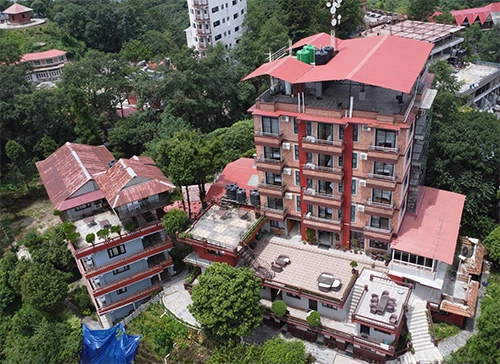
Nagarkot is the perfect closest destination from the capital for relaxation and to spend quality time with family or loved ones. Just a few kilometers away from Kathmandu, Nagarkot is an ideal destination to simply sit, relax, and enjoy amidst the peaceful ambiance. Spend time adoring mountain vistas, and surroundings.

The vicinity of Nagarkot is abundant with greenery and an ideal habitat for diverse flora and fauna. The diverse bird species such as raptors and migratory birds are some prime attractions here. Bird-watching in this serene environment and identifying, and observing can be a fun activity.
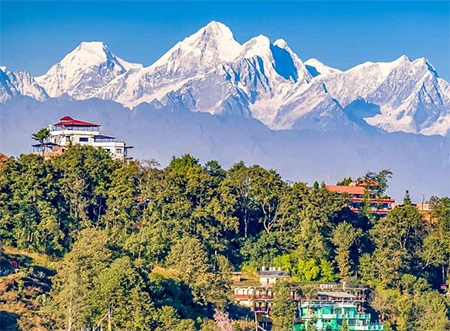
The natural surroundings in the Nagarkot look dreamlike. The scenic landscapes, mountain vistas, attractive villages, terraced fields, sunrise views, local culture, and ancient cultural heritages are the best visuals for any photography lover. Capture the best sightings and set them for the best memories.
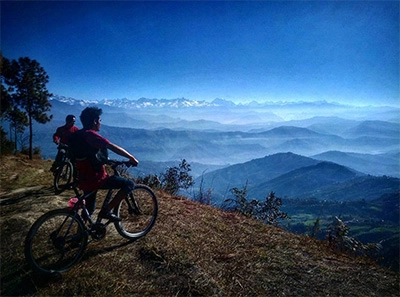
Mountain Biking is one of the adventurous sports which can be explored on the Nagarkot trails. Adoring the beautiful landscapes, and picturesque views, mountain biking lovers can go for this exciting adventure on the popular ‘Loop Route’. Rent the bikes for this mountain biking adventure.
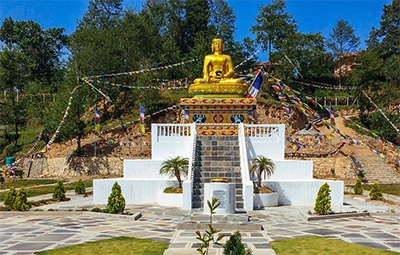
Sightseeing to nearby peaceful but beautiful Buddha Peace Park by an hour’s walk is a pleasant experience. The Grand Golden Buddha statue that overlooks the beautiful valley is not to be missed. An entry fee is required to get here. Planting a sapling in the memory of your loved ones is one of the best […]
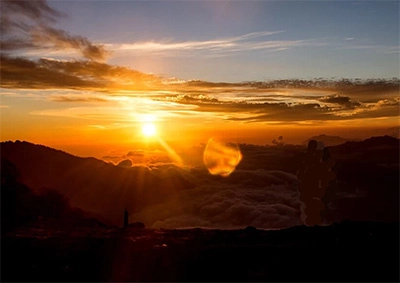
Sunrise view is the best attraction of the Nagarkot. The sunrise view over stunning Himalayan ranges from the Nagarkot View Tower is captivating. The panoramic Himalayan views including the world’s highest Mt. Everest on a clear day are a treat to watch. We assure you the sunrise viewing is sure to enchant you and will […]
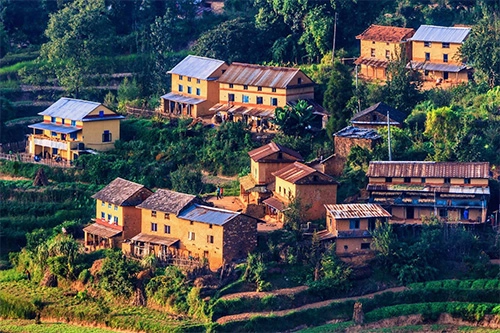
Nagarkot is far from the hustle and bustle of the city. The tranquil environment with scenic landscapes is a perfect getaway. The village tours in Nagarkot are one of the best ways to immerse yourself in the culture, tradition, and lifestyle of local ethnicities. The naturalness of the village is the prime highlight.
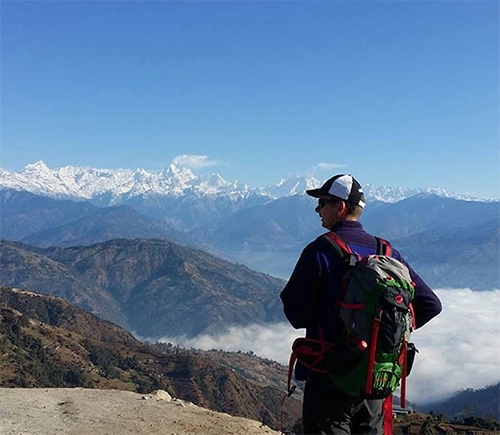
Nagarkot hiking trails also popular as the Panoramic Trail encompasses the Nagarkot Nature Trail. Nagarkot-Changu Narayan Trek, Nagarkot-Sankhu Trek, Nagarkot-Namo Buddha, etc. are some of the famous hiking destinations. Walk through the trails of lush green forest, and terraced fields, admiring the natural beauty of the environment in a peaceful setting. A guide is optional […]
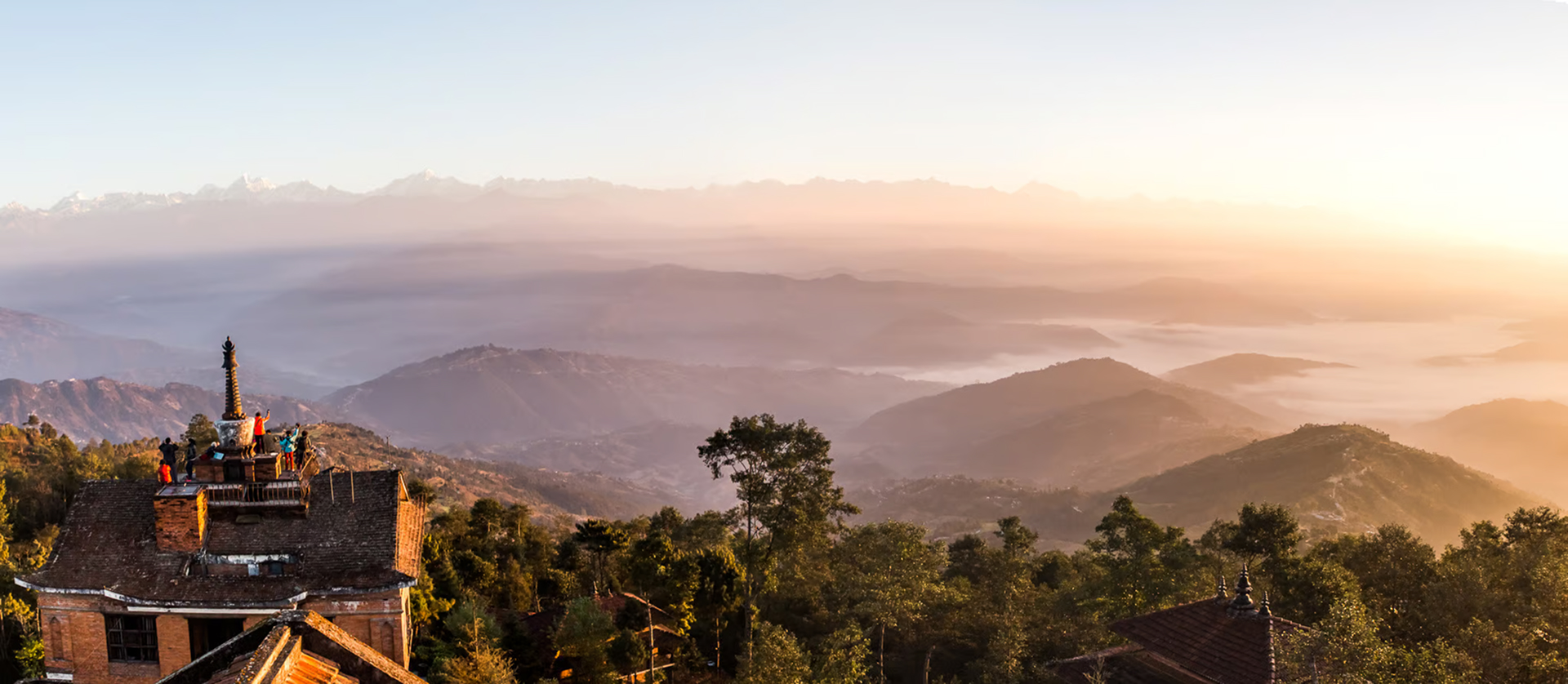
Nestled 32 kilometers east of Kathmandu, Nagarkot is a picturesque hill station, offering awe-inspiring aerial views of Nepal’s major Himalayan peaks, including the iconic Mt. Everest. Situated at 2175 m above sea level, this enchanting destination captivates visitors with its pristine beauty and panoramic vistas of the Himalayas ...
Read More
