Wyns New Zealand Wines Crafted by Wild Land
Auto-generated post_excerpt

Hotel View Point : Top of Nagarkot
Embrace the serenity of picturesque landscapes and mountain views from your window.


There’s a particular kind of magic that happens when vines are planted where the ocean wind whips through the valleys and the soil still remembers volcanic fire. That’s the world of Wyns New Zealand, a boutique producer that doesn’t just grow grapes—it listens to the land. The result is a collection of wines that taste less like a recipe and more like a place you can almost see. For those who enjoy a well-crafted pour, exploring this label feels a bit like uncovering a hidden cellar; and if you’re curious about other high-stakes flavors, you might find a similar thrill at http://wynscasinonz.com, but let’s keep our glasses on the vineyard for now.
What sets these wines apart is the stubborn refusal to follow the crowd. While many producers chase uniformity, Wyns embraces the unpredictable character of the South Island. The vineyards sit on free-draining gravel soils, carved by ancient riverbeds, which force the roots to dig deep for moisture. That struggle, that quiet fight for survival, translates directly into the glass—you get concentration without heaviness, aromatics that leap out, and a finish that lingers like a good conversation.
The climate here is the real winemaker. Long, cool autumn days allow the grapes to hang on the vine far longer than in warmer regions. This slow ripening builds natural acidity and complex flavor compounds—think ripe stone fruit, wet stone minerality, and a whisper of herbs. It’s not the kind of wine you gulp; it’s the kind you sit with, letting each sip unfold.
Let’s talk about the actual pours. The Marlborough Sauvignon Blanc is the crowd-pleaser, bursting with passionfruit and a zesty lime zest edge—crisp, refreshing, and dangerously easy to drink. But the true hidden gem is their Pinot Noir from the Waipara Valley. This red offers silky tannins and layers of dark cherry, baking spice, and a hint of forest floor. It’s the sort of wine that makes you want to slow down a Sunday roast.
There’s also a Chardonnay that isn’t afraid to be bold—a touch of oak, but nothing overbearing, giving way to flavors of white peach, hazelnut, and a creamy texture that coats your palate. And for those who appreciate a bit of fizz, their traditional method sparkling wine delivers fine bubbles and a toasty, brioche character that rivals far more famous houses.
To help you choose your next bottle, here’s a quick comparison of the core lineup:
| Wine Style | Key Flavor Notes | Best Enjoyed With |
|---|---|---|
| Sauvignon Blanc | Passionfruit, lime zest, fresh herbs | Oysters, goat cheese, summer salads |
| Pinot Noir | Dark cherry, spice, soft tannins | Duck breast, mushroom risotto, grilled salmon |
| Chardonnay | White peach, hazelnut, creamy finish | Roasted chicken, creamy pasta, aged Gouda |
| Sparkling | Brioche, green apple, fine bubbles | Celebrations, brunch, fried snacks |
What’s truly impressive is the balance. Nothing feels overdone or exaggerated. The winemaking team practices minimal intervention—native yeasts for some ferments, no heavy filtering, and a respect for natural acidity. This hands-off approach means the character of the vintage shines through, making each release a unique snapshot of that year’s weather and soil conditions.
Beyond the liquid itself, there’s a bigger story—one of sustainability and stewardship. The estate uses cover crops between vine rows to encourage biodiversity, composts their grape marc, and relies on solar power for the cellar operations. They’re not just making wine; they’re tending a living ecosystem. This commitment builds trust, and it’s why these wines have carved out a devoted following among sommeliers and casual drinkers alike.
Perhaps the best way to understand Wyns is through the idea of place. When you pour a glass, you’re not just tasting grape juice; you’re tasting the cold mornings, the afternoon sea breeze, and the patient hands that guided the fruit from bud to bottle. It’s honest, it’s expressive, and it never tries to be something it’s not.
For anyone looking to expand their palate, here are a few simple ways to enjoy these wines to their fullest:
Is Wyns available outside New Zealand? Yes, the wines are shipped to several international markets, though availability can vary by region. Check with your local specialty wine retailer or an online importer.
Are these wines organic? While not fully certified organic, the estate uses sustainable, low-intervention practices that mirror organic principles.
What’s the best way to store an opened bottle? Recork it and keep it in the fridge—white wines will stay fresh for up to three days; reds, for about two days.
Do they produce sweet wines? The lineup focuses on dry styles, which highlight the natural fruit intensity without added sugar.
Can I visit the winery? Yes, the cellar door is open for tastings by appointment, offering a firsthand look at the vineyards and cellar.
Which wine should I try first? Start with the Sauvignon Blanc to understand the house style, then move to the Pinot Noir to see the depth of what this land can produce.
In a world full of mass-produced sameness, Wyns stands out as a genuine expression of place. Whether you’re a seasoned collector or just starting your wine journey, these bottles offer a taste of something real. So uncork one, pour generously, and let the wild land tell you its story.
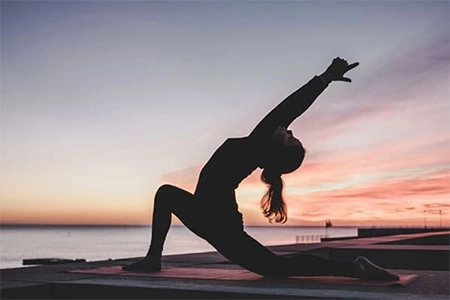
Nagarkot is also the perfect destination for practicing Yoga and meditation. The calm setting, panoramic vistas, lush greenery in the surroundings, and fresh air are unspoiled setups for yoga and meditation. For rejuvenation, indulge in yoga and meditation activities.

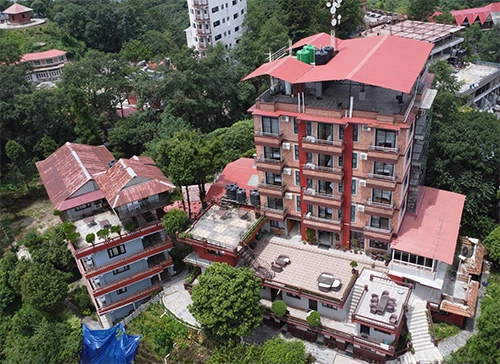
Nagarkot is the perfect closest destination from the capital for relaxation and to spend quality time with family or loved ones. Just a few kilometers away from Kathmandu, Nagarkot is an ideal destination to simply sit, relax, and enjoy amidst the peaceful ambiance. Spend time adoring mountain vistas, and surroundings.

The vicinity of Nagarkot is abundant with greenery and an ideal habitat for diverse flora and fauna. The diverse bird species such as raptors and migratory birds are some prime attractions here. Bird-watching in this serene environment and identifying, and observing can be a fun activity.
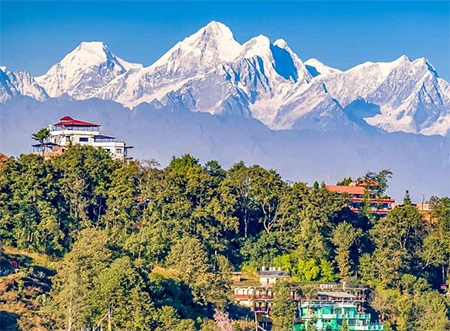
The natural surroundings in the Nagarkot look dreamlike. The scenic landscapes, mountain vistas, attractive villages, terraced fields, sunrise views, local culture, and ancient cultural heritages are the best visuals for any photography lover. Capture the best sightings and set them for the best memories.
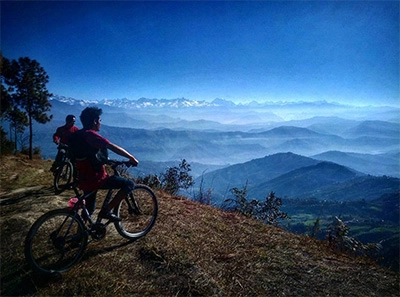
Mountain Biking is one of the adventurous sports which can be explored on the Nagarkot trails. Adoring the beautiful landscapes, and picturesque views, mountain biking lovers can go for this exciting adventure on the popular ‘Loop Route’. Rent the bikes for this mountain biking adventure.
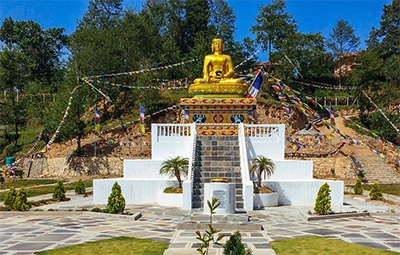
Sightseeing to nearby peaceful but beautiful Buddha Peace Park by an hour’s walk is a pleasant experience. The Grand Golden Buddha statue that overlooks the beautiful valley is not to be missed. An entry fee is required to get here. Planting a sapling in the memory of your loved ones is one of the best […]
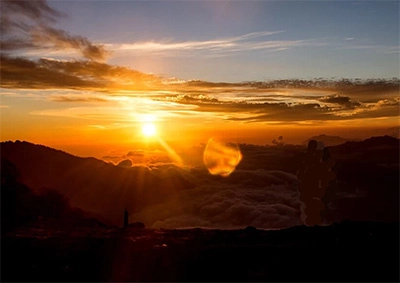
Sunrise view is the best attraction of the Nagarkot. The sunrise view over stunning Himalayan ranges from the Nagarkot View Tower is captivating. The panoramic Himalayan views including the world’s highest Mt. Everest on a clear day are a treat to watch. We assure you the sunrise viewing is sure to enchant you and will […]
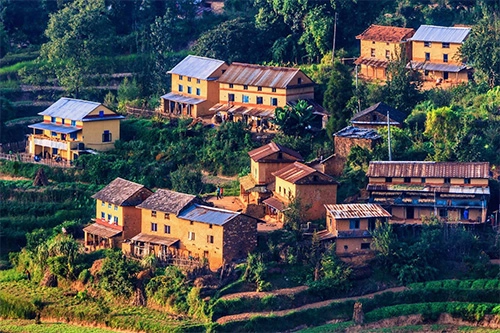
Nagarkot is far from the hustle and bustle of the city. The tranquil environment with scenic landscapes is a perfect getaway. The village tours in Nagarkot are one of the best ways to immerse yourself in the culture, tradition, and lifestyle of local ethnicities. The naturalness of the village is the prime highlight.
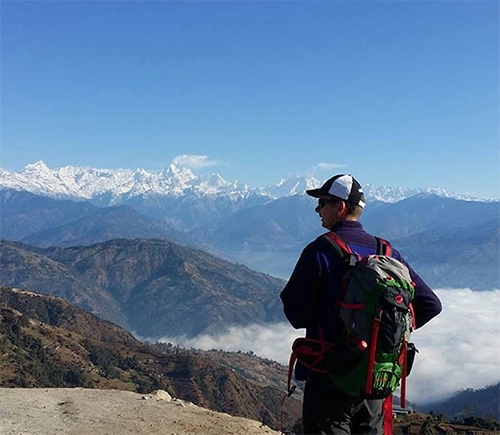
Nagarkot hiking trails also popular as the Panoramic Trail encompasses the Nagarkot Nature Trail. Nagarkot-Changu Narayan Trek, Nagarkot-Sankhu Trek, Nagarkot-Namo Buddha, etc. are some of the famous hiking destinations. Walk through the trails of lush green forest, and terraced fields, admiring the natural beauty of the environment in a peaceful setting. A guide is optional […]
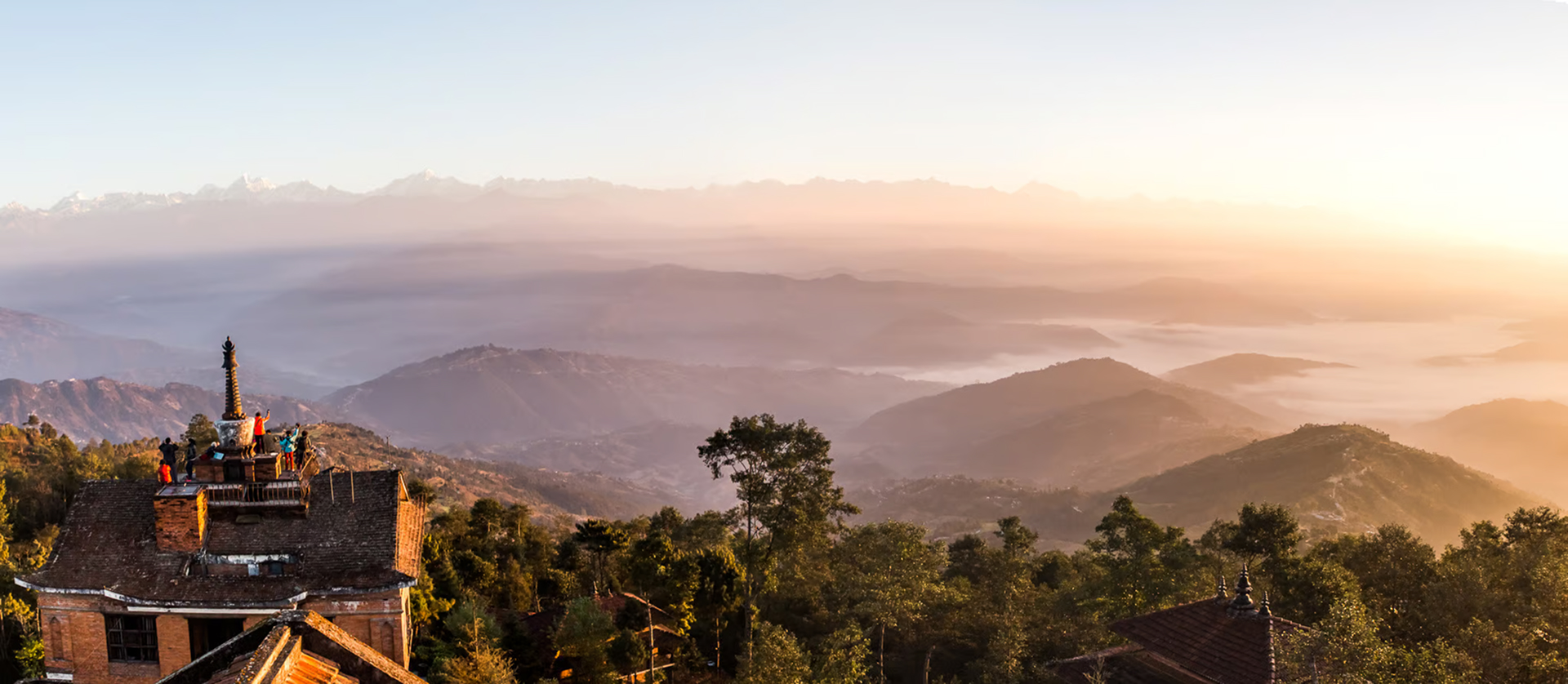
Nestled 32 kilometers east of Kathmandu, Nagarkot is a picturesque hill station, offering awe-inspiring aerial views of Nepal’s major Himalayan peaks, including the iconic Mt. Everest. Situated at 2175 m above sea level, this enchanting destination captivates visitors with its pristine beauty and panoramic vistas of the Himalayas ...
Read More
