Dutch Dunes to Detroit Lakes — America Through Windmills
Auto-generated post_excerpt

Hotel View Point : Top of Nagarkot
Embrace the serenity of picturesque landscapes and mountain views from your window.


There’s a curious thread that stitches together the sandy shores of the Netherlands and the quiet lake towns of the American Midwest. It isn’t just about wooden shoes or stroopwafels — though both have their place. It’s a story of migration, grit, and a stubborn love for reclaiming land from water. When you trace the footsteps of Dutch settlers across the United States, you find that windmills weren’t just scenery; they were engines of survival. And today, you can still hear the creak of their wooden blades from the Atlantic coast to the prairie’s edge. If you’ve ever wondered what happens when Dutch ingenuity collides with American ambition, the answer unfolds along a map that stretches from old-world harbors to new-world heartlands. You can begin exploring that map through resources like http://hollandcasinobet.com, which offers a playful gateway into Dutch-themed gaming, but the real journey is far richer than any virtual reels.
The earliest Dutch arrivals weren’t tourists chasing windmill photo ops. They were traders, farmers, and religious refugees seeking a place where their dikes and drainage techniques would matter. New Netherland, with its bustling port of New Amsterdam — later renamed New York — became the first true foothold. But the deeper story is one of dispersal. As land grew scarce and opportunities narrowed, Dutch families pushed westward. They didn’t scatter randomly; they clustered in pockets where the soil reminded them of home.
One such pocket emerged in western Michigan, around the city of Holland. Founded in 1847 by Reverend Albertus van Raalte, this settlement became a beacon for those fleeing a potato famine and religious tensions back home. The landscape was swampy and forested — hardly the flat polders of Friesland. Yet the settlers drained the land, dug canals, and planted orchards. Within decades, they turned a wilderness into a thriving community that still celebrates its Dutch heritage every May with a massive Tulip Time festival. Walking through Holland, Michigan, you’ll see not just tulips but also a working de Zwaan windmill, imported piece by piece from the Netherlands in 1964. It stands as a silent testament to how a people carry their technology across oceans.
While coastal towns got the attention, the real windmill revolution happened on the Great Plains. Dutch immigrants who settled in Iowa, South Dakota, and Minnesota brought with them the knowledge of wind-driven pumps — a skill that proved invaluable in regions where water sat stubbornly deep below the surface. By the 1880s, so-called “Dutch windmills” dotted the prairie skyline, though many were actually American-made hybrids. Still, the technique of using wind to lift water for livestock and irrigation was a direct import from the old country.
Consider the town of Pella, Iowa, founded by Dutch settlers in 1847. Its iconic Vermeer Mill, standing 124 feet tall, is the highest working grain windmill in the United States. But beyond the tourist trail, what matters is the system: the Dutch understood that wind wasn’t a challenge to fight but a resource to harness. They applied that logic to everything from grain milling to land reclamation along the Mississippi. The result was a network of small agricultural communities that thrived where others failed. They didn’t just survive on the prairie; they reshaped it.
Head further north to Minnesota, and you’ll find a different flavor of Dutch influence. Detroit Lakes, though not a Dutch settlement per se, sits in a region where Scandinavian and Dutch settlers intermingled during the lumber boom of the late 1800s. Here, the Dutch contribution was less about windmills and more about canal digging and water management around the lake chain. They applied their centuries-old knowledge of dikes to prevent flooding in low-lying farmlands, often working alongside Norwegian and German immigrants.
What’s remarkable is how the Dutch adapted their traditions to a landscape of pine forests, granite outcrops, and frigid winters. Instead of building brick townhouses, they constructed sturdy timber-frame barns with gambrel roofs — a shape that echoed the old Dutch barn style but was tailored to shed heavy snow. In places like Edgerton and Chandler, Minnesota, you’ll still see these barns standing, their silhouettes a quiet nod to a heritage that refused to fade. The Dutch didn’t just bring tools; they brought a mindset of collaborative engineering, one that valued community dikes, shared irrigation channels, and neighborly barn-raisings.
Today, you don’t need a passport to experience Dutch culture in America. It’s alive in the gouda cheese markets of Wisconsin, the wooden shoe races in Orange City, Iowa, and the kerststol (Christmas bread) baked in kitchens from New Jersey to California. But the most vibrant keepsake is perhaps the language of names — Vander, Van, De, and Ter — that pepper phone books and mailboxes across the Midwest. These names aren’t just labels; they’re signposts of a migration that shaped rural economies and urban neighborhoods alike.
If you’re curious about tracing your own Dutch-American roots or simply planning a road trip to catch a tulip festival or a working windmill, here are a few stops worth considering:
To really appreciate the Dutch-American story, it helps to compare how the two regions approached similar challenges. Here’s a quick look at how they differ where it matters:
| Aspect | Netherlands (Old World) | American Dutch Settlements |
|---|---|---|
| Primary Water Challenge | Keeping the sea out | Draining inland swamps and managing lake levels |
| Main Windmill Use | Pumping water from polders | Grinding grain and pumping well water for livestock |
| Community Structure | Tight villages with strict church oversight | Sprawling farmsteads with cooperative barn-raisings |
| Building Material | Brick and timber, often imported stone | Local lumber, fieldstone, and sod |
| Cultural Expression | Regional dialects and guild traditions | Festival-based pride, surname preservation, food fusion |
What emerges from this comparison is that the Dutch didn’t merely transplant their culture; they adapted its core principles — water management, wind energy, and communal labor — to a vast and varied land. They took their windmills apart and rebuilt them with American lumber. They replaced canal networks with railroad tie partnerships. And they kept their faith, their festivals, and their stubborn optimism.
The largest and most culturally persistent Dutch settlement is in western Michigan, particularly around Holland. It was founded in the mid-1800s and still hosts one of the country’s largest tulip festivals.
Yes. The de Zwaan windmill in Holland, Michigan, was built in the Netherlands around 1761 and shipped to the U.S. in 1964. It remains in working order and grinds grain seasonally.
They introduced advanced drainage techniques, crop rotation using clover, and efficient livestock management. Their ideas about small-scale dairying heavily influenced Wisconsin’s cheese industry.
Common foods include Dutch letters (almond paste pastries in an S shape), oliebollen (a type of doughnut), and pea soup with smoked sausage. Many family recipes have been adapted with local ingredients like cranberries or maple syrup.
Historical records show that Dutch settlers alongside other European groups sometimes clashed with Indigenous peoples over land and resources. However, many Dutch Reformed missionaries worked to establish peaceful relations, and there are notable efforts at cooperation that varied greatly by region and time period.
Many historical societies, such as the Netherlands Museum in Holland, Michigan, offer online exhibits and digitized archives. You can also explore virtual tours of historic Dutch barns or connect with Dutch-American genealogical groups online.
From the salt-sprayed harbors of the Hudson to the wind-swept plains of South Dakota, the Dutch left more than a scenic trail of tulips. They left a blueprint for how to honor the past while building for the future. Whether you’re standing beneath a four-story windmill in Iowa or tracing a family surname in a Minnesota courthouse, you’re witnessing a living story — one where the old world’s lessons still turn with every gust of wind, and every turn of a wooden blade.

Nagarkot is also the perfect destination for practicing Yoga and meditation. The calm setting, panoramic vistas, lush greenery in the surroundings, and fresh air are unspoiled setups for yoga and meditation. For rejuvenation, indulge in yoga and meditation activities.

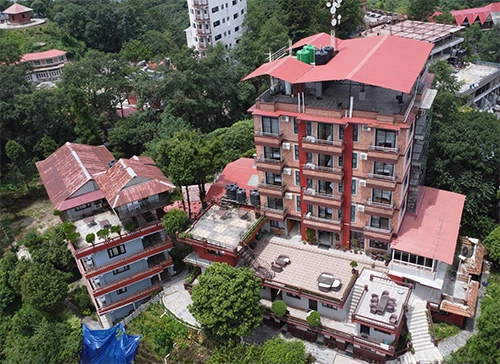
Nagarkot is the perfect closest destination from the capital for relaxation and to spend quality time with family or loved ones. Just a few kilometers away from Kathmandu, Nagarkot is an ideal destination to simply sit, relax, and enjoy amidst the peaceful ambiance. Spend time adoring mountain vistas, and surroundings.
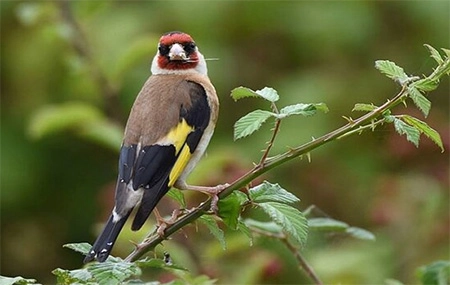
The vicinity of Nagarkot is abundant with greenery and an ideal habitat for diverse flora and fauna. The diverse bird species such as raptors and migratory birds are some prime attractions here. Bird-watching in this serene environment and identifying, and observing can be a fun activity.
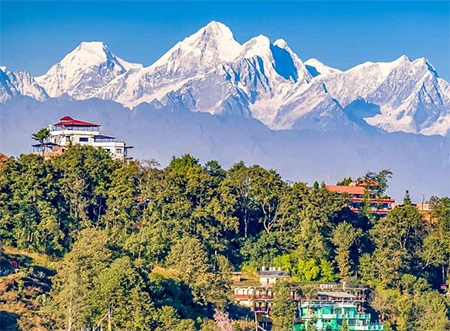
The natural surroundings in the Nagarkot look dreamlike. The scenic landscapes, mountain vistas, attractive villages, terraced fields, sunrise views, local culture, and ancient cultural heritages are the best visuals for any photography lover. Capture the best sightings and set them for the best memories.
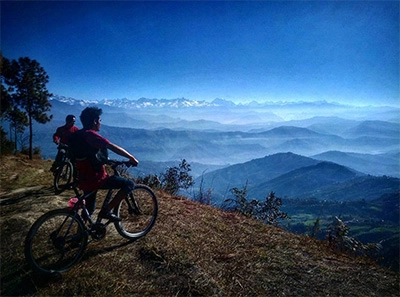
Mountain Biking is one of the adventurous sports which can be explored on the Nagarkot trails. Adoring the beautiful landscapes, and picturesque views, mountain biking lovers can go for this exciting adventure on the popular ‘Loop Route’. Rent the bikes for this mountain biking adventure.
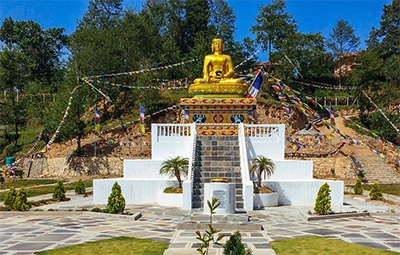
Sightseeing to nearby peaceful but beautiful Buddha Peace Park by an hour’s walk is a pleasant experience. The Grand Golden Buddha statue that overlooks the beautiful valley is not to be missed. An entry fee is required to get here. Planting a sapling in the memory of your loved ones is one of the best […]
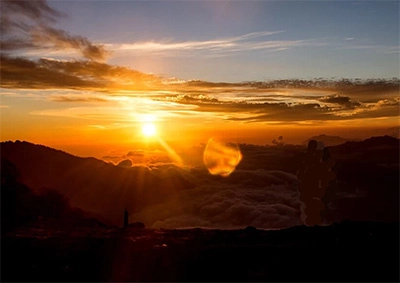
Sunrise view is the best attraction of the Nagarkot. The sunrise view over stunning Himalayan ranges from the Nagarkot View Tower is captivating. The panoramic Himalayan views including the world’s highest Mt. Everest on a clear day are a treat to watch. We assure you the sunrise viewing is sure to enchant you and will […]
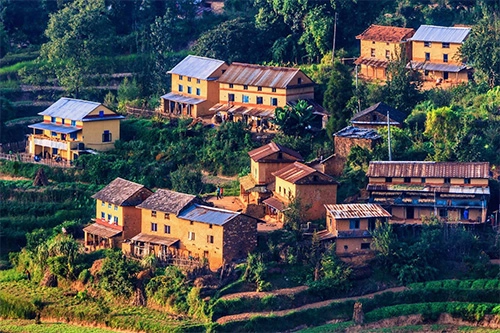
Nagarkot is far from the hustle and bustle of the city. The tranquil environment with scenic landscapes is a perfect getaway. The village tours in Nagarkot are one of the best ways to immerse yourself in the culture, tradition, and lifestyle of local ethnicities. The naturalness of the village is the prime highlight.
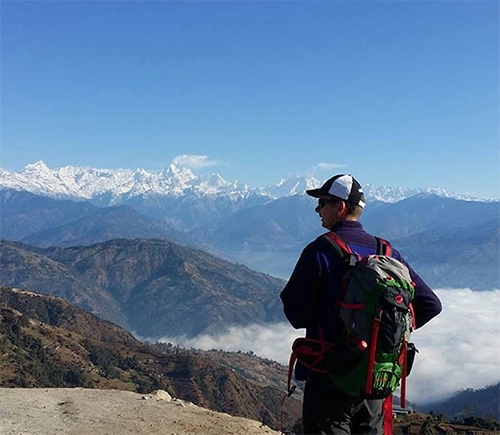
Nagarkot hiking trails also popular as the Panoramic Trail encompasses the Nagarkot Nature Trail. Nagarkot-Changu Narayan Trek, Nagarkot-Sankhu Trek, Nagarkot-Namo Buddha, etc. are some of the famous hiking destinations. Walk through the trails of lush green forest, and terraced fields, admiring the natural beauty of the environment in a peaceful setting. A guide is optional […]
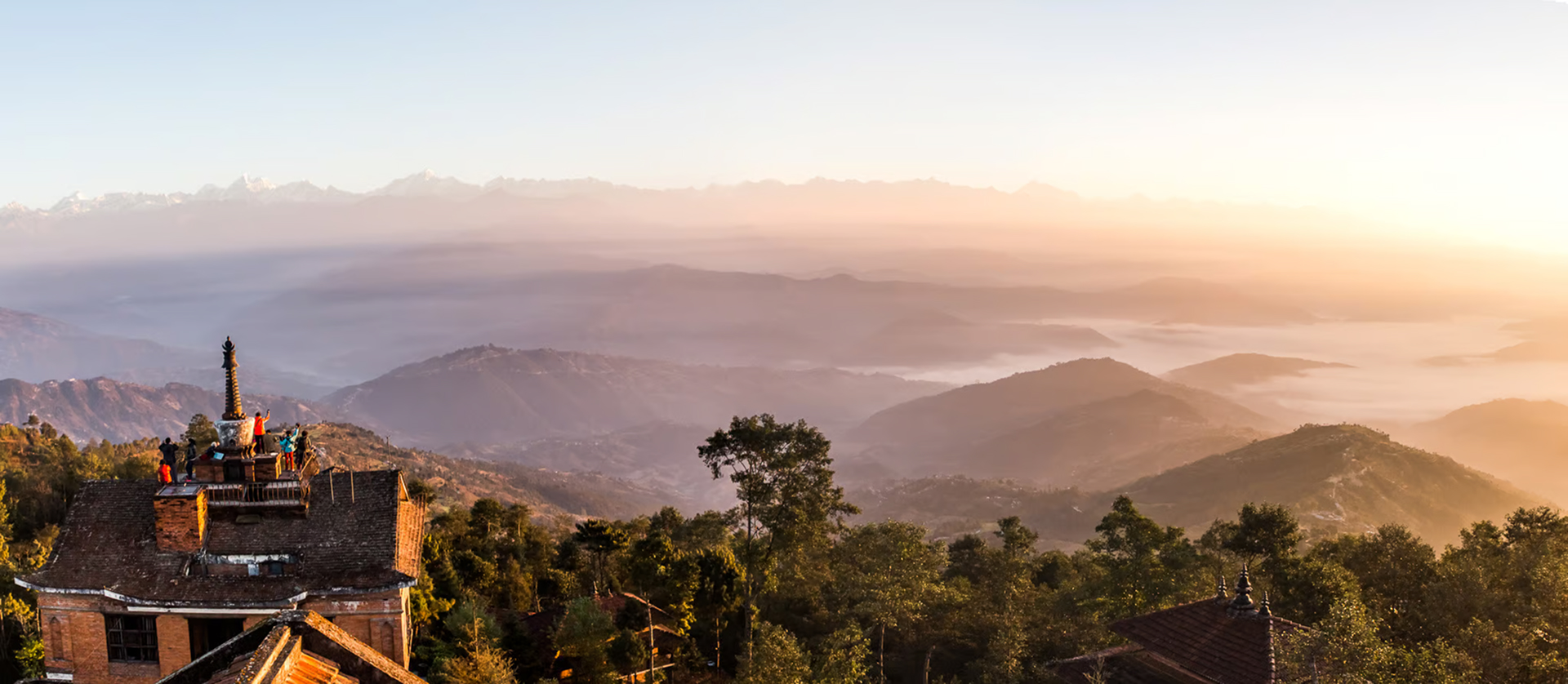
Nestled 32 kilometers east of Kathmandu, Nagarkot is a picturesque hill station, offering awe-inspiring aerial views of Nepal’s major Himalayan peaks, including the iconic Mt. Everest. Situated at 2175 m above sea level, this enchanting destination captivates visitors with its pristine beauty and panoramic vistas of the Himalayas ...
Read More
