Cbet in Poker Your Key to Winning More Pots
Auto-generated post_excerpt

Hotel View Point : Top of Nagarkot
Embrace the serenity of picturesque landscapes and mountain views from your window.


Imagine sitting at the poker table, the flop hits, and you sense weakness in your opponent. You haven’t connected with the board, yet something tells you this pot is yours for the taking. That instinct, backed by strategy, is where the continuation bet, or cbet, comes into play. At its core, a cbet is a bet made by the player who raised preflop, continuing their aggression even when the flop doesn’t improve their hand. It’s a tool that turns perceived strength into real profit, and mastering it can transform your game from timid to triumphant. For those looking to practice this art in a dynamic environment, resources like cbetbet.net offer a sandbox to refine these skills against varied opponents.
The magic of the cbet lies in its psychological impact. When you raise preflop, you signal to the table that you hold a premium hand — maybe pocket aces or ace-king. Your opponents, unless they connected hard with the flop, often start doubting their own holdings. This doubt is fertile ground for a well-timed bet. Even if the flop comes 7-2-9 and you hold nothing but high cards, firing a bet of around half to two-thirds the pot can force folds from hands that are actually ahead of yours. It’s a bluff, but one backed by the narrative you built during the preflop round.
Position amplifies this effect significantly. A cbet from late position, like the button or cutoff, carries extra weight because it suggests you might have seen the flop’s texture and decided to capitalize. Conversely, cbets from early position are often viewed with more skepticism, as your range is narrower and more defined. The key is to mix your cbet frequency based on your seat. Against observant opponents, you cannot simply bet every flop — they’ll catch on and start calling or raising with weaker draws.
Not all flops are created equal, and intelligent players adjust their cbet strategy based on the community cards. On dry, disconnected boards like K-8-2, your cbet rate should soar. These flops miss most hands, and your opponents’ preflop calling ranges rarely include a king, an eight, or a deuce. A single bet often scoops the pot. On wet, draw-heavy boards like J-T-9 with two suited cards, your cbet becomes riskier. Opponents with straight draws, flush draws, or combo draws will call or raise, putting you in a tough spot if the turn completes a potential monster hand. Here, checking behind or betting larger to deny equity becomes vital.
Another subtlety is the rainbow versus monotone flop. A monotone flop (all same suit) dramatically changes dynamics. You might choose to check in position to control pot size, especially if your hand lacks a flush draw. The human factor creeps in — many recreational players overvalue flush draws, so a cbet on a monotone board can induce massive folds from hands that have no business calling.
| Playing Style | Cbet Frequency | Typical Bet Size | Adjustment on Wet Boards |
|---|---|---|---|
| Tight Aggressive (TAG) | Around 70–80% of flops | 60–75% of the pot | Frequently checks or folds to raises |
| Loose Aggressive (LAG) | Over 85%, including light cbets | Variable, often larger | Continues betting with draws |
| Passive (Nit) | Below 40%, only on good boards | 50% of pot | Rarely cbets; prefers to see turns cheaply |
This table illustrates how your overall player profile influences cbet decisions. A TAG player who raises a tight range preflop has more credibility when cbetting, meaning they can even bet smaller amounts and still get folds. LAG players, who raise a wider range, must cbet more frequently to make up for the weaker hands they represent, but they also face more resistance. Passive players miss out on potential profit by not cbetting enough, giving opponents free cards to outdraw them.
One of the biggest errors players make is cbetting blindly without considering opponent tendencies. A player who calls your cbet on a 9-8-6 board is often holding a straight draw or a pair, not air. Firing a second barrel on the turn without a strong hand can be spewy. Another mistake is betting too small — a tiny cbet (like 30% pot) often gets called too lightly, reducing its fold equity. Conversely, betting too large (over 80% pot) on dry boards makes your hand look polarized, and observant opponents will exploit this by folding when you have it and raising when you don’t. Remember, the cbet is not a mandatory move; it’s a strategic weapon best used with discipline.
A continuation bet, or cbet, is a bet made by the player who was the last aggressor preflop (typically the raiser) on the flop, regardless of whether that player improved on the board.
Not always. On very dry boards with few draws, you might slowplay to keep weaker hands in the pot. On draw-heavy boards, betting is usually correct to build the pot and deny free cards.
There is no fixed amount, but many players find a sweet spot between 55% and 75% of the pot against regular opponents. The exact size should account for board texture and opponent ranges.
Yes, but it requires more finesse. Out of position, you face the risk of facing a raise with no easy way to respond. Reduce your cbet frequency out of position, and choose check-raise or check-fold lines with marginal holdings.
A double barrel is a cbet on the flop followed by another bet on the turn. A triple barrel extends that to the river. These are aggressive lines that apply maximum pressure but require a logical hand progression or a credible story.
Defend by calling with strong draws, medium pairs, and occasionally check-raising with marginal hands. Observe your opponent’s tendencies — if they cbet too much, you can profit by widening your calling range and then betting when you improve.
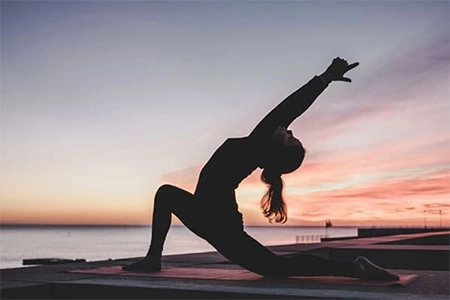
Nagarkot is also the perfect destination for practicing Yoga and meditation. The calm setting, panoramic vistas, lush greenery in the surroundings, and fresh air are unspoiled setups for yoga and meditation. For rejuvenation, indulge in yoga and meditation activities.

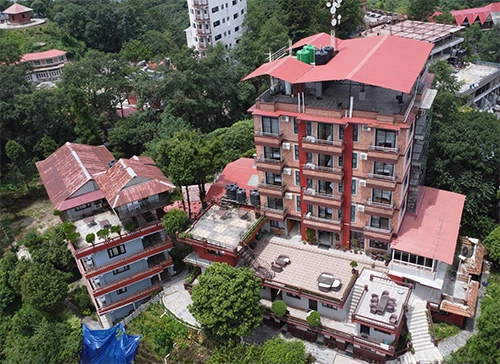
Nagarkot is the perfect closest destination from the capital for relaxation and to spend quality time with family or loved ones. Just a few kilometers away from Kathmandu, Nagarkot is an ideal destination to simply sit, relax, and enjoy amidst the peaceful ambiance. Spend time adoring mountain vistas, and surroundings.
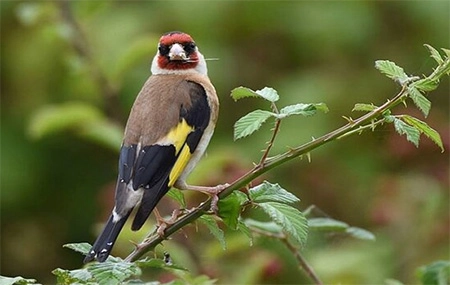
The vicinity of Nagarkot is abundant with greenery and an ideal habitat for diverse flora and fauna. The diverse bird species such as raptors and migratory birds are some prime attractions here. Bird-watching in this serene environment and identifying, and observing can be a fun activity.
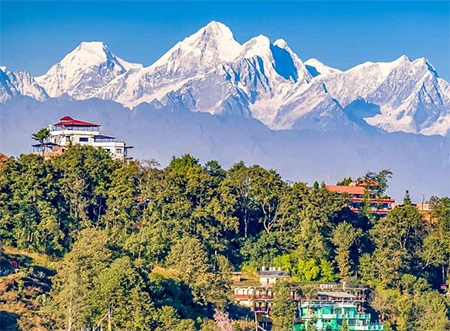
The natural surroundings in the Nagarkot look dreamlike. The scenic landscapes, mountain vistas, attractive villages, terraced fields, sunrise views, local culture, and ancient cultural heritages are the best visuals for any photography lover. Capture the best sightings and set them for the best memories.
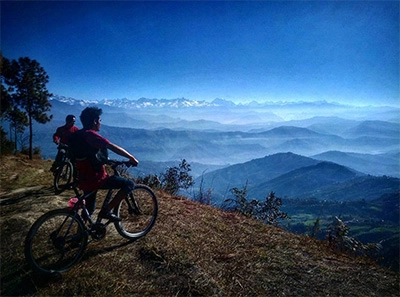
Mountain Biking is one of the adventurous sports which can be explored on the Nagarkot trails. Adoring the beautiful landscapes, and picturesque views, mountain biking lovers can go for this exciting adventure on the popular ‘Loop Route’. Rent the bikes for this mountain biking adventure.
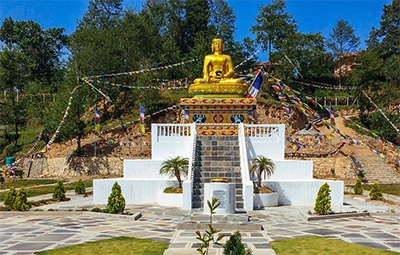
Sightseeing to nearby peaceful but beautiful Buddha Peace Park by an hour’s walk is a pleasant experience. The Grand Golden Buddha statue that overlooks the beautiful valley is not to be missed. An entry fee is required to get here. Planting a sapling in the memory of your loved ones is one of the best […]
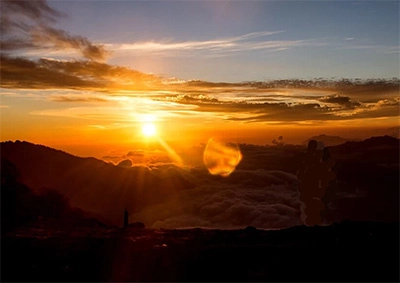
Sunrise view is the best attraction of the Nagarkot. The sunrise view over stunning Himalayan ranges from the Nagarkot View Tower is captivating. The panoramic Himalayan views including the world’s highest Mt. Everest on a clear day are a treat to watch. We assure you the sunrise viewing is sure to enchant you and will […]
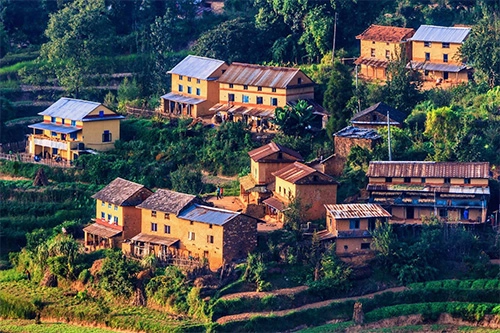
Nagarkot is far from the hustle and bustle of the city. The tranquil environment with scenic landscapes is a perfect getaway. The village tours in Nagarkot are one of the best ways to immerse yourself in the culture, tradition, and lifestyle of local ethnicities. The naturalness of the village is the prime highlight.
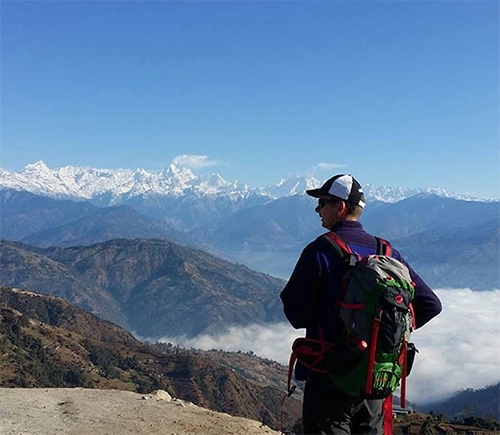
Nagarkot hiking trails also popular as the Panoramic Trail encompasses the Nagarkot Nature Trail. Nagarkot-Changu Narayan Trek, Nagarkot-Sankhu Trek, Nagarkot-Namo Buddha, etc. are some of the famous hiking destinations. Walk through the trails of lush green forest, and terraced fields, admiring the natural beauty of the environment in a peaceful setting. A guide is optional […]
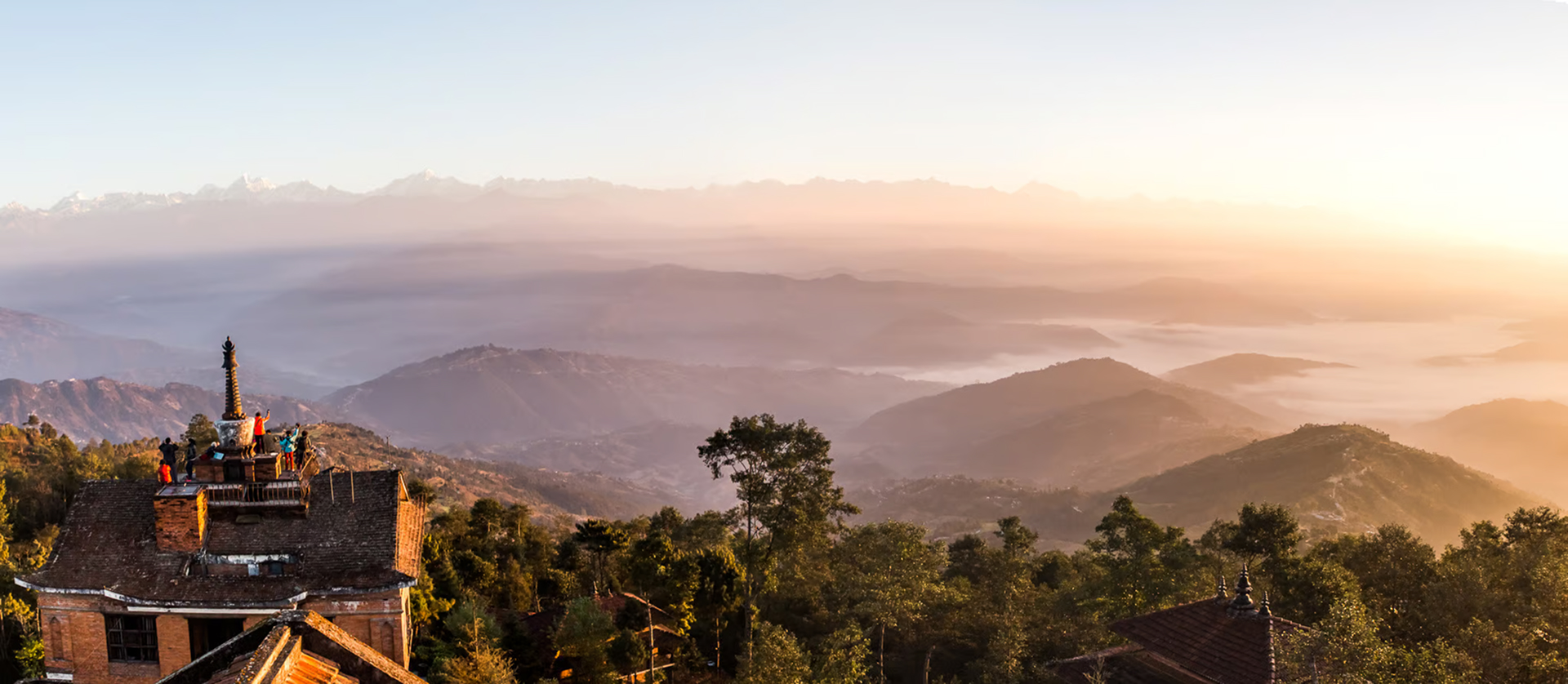
Nestled 32 kilometers east of Kathmandu, Nagarkot is a picturesque hill station, offering awe-inspiring aerial views of Nepal’s major Himalayan peaks, including the iconic Mt. Everest. Situated at 2175 m above sea level, this enchanting destination captivates visitors with its pristine beauty and panoramic vistas of the Himalayas ...
Read More
